


Bently Nevada
📢 100% genuine, extensive in-stock inventory, fast shipping!
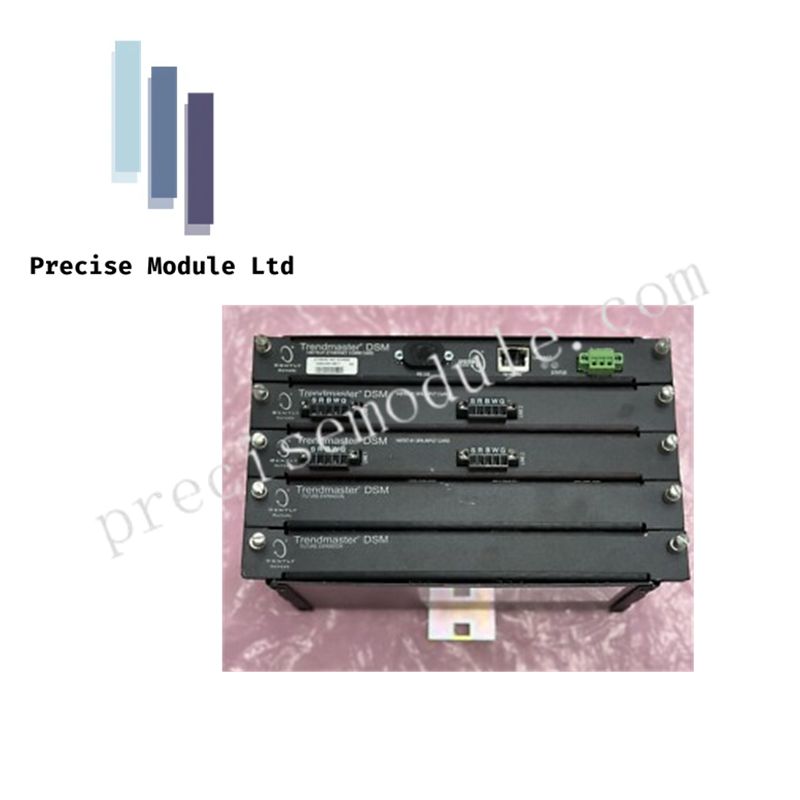
Bently Nevada 149744 Trendmaster Dynamic Scanning Module
Bently Nevada 149744 Trendmaster Dynamic Scanning Module
Manufacturer: Bently Nevada
Condition:in Stock
Product Type: Dynamic Scanning Module
-
Product Origin: USA
Payment:T/T, Western Union
-
Weight: 500g
Shipping port: Shanghai/Yiwu/Shenzhen
Warranty: 12 months
Share
Bently Nevada 149744 Trendmaster Dynamic Scanning Module
Configured for high-density data acquisition in System 1 platforms, the Bently Nevada 149744 (149744 Dynamic Scanning Module) provides direct physical/electrical execution. The rack-based module utilizes onboard real-time processing to sample, post-process, and transmit raw waveforms, spectrums, and variables from field-mounted Transducer Interface Modules (TIM) and proTIM units.
Hardware Specifications
| Parameter | Specification |
|---|---|
| Model | 149744 |
| Brand | Bently Nevada |
| Origin | USA |
| Weight | 0.5 kg (1.1 lbs) |
| Dimensions | Compact 5-slot rack-mount chassis configuration |
| Operating Temp | -20 deg C to +65 deg C (Standard industrial rack limits) |
| Power Consumption | 18 W maximum |
| Input Voltage | 20 to 30 VDC via communication card connector |
| Fuse Rating | 1 A slow-blow |
| Slot Allocation | Slot 1: Ethernet Comm, Slot 2: Reserved, Slots 3-5: TIM Input/Reserved |
| Capacity | 2 TIM lines per input card, supporting up to 254 channels per line |
Proximity Transducer Mechanical Monitoring Attributes
The 149744 rack system utilizes local, card-level processing loops to analyze complex rotor dynamics data before host transmission. By executing localized algorithmic calculations on raw inputs, the system ensures cross-talk suppression across hundreds of measurement points while maintaining continuous verification of structural vibration parameters. The onboard architecture facilitates immediate calculation of static position and dynamic vibration vectors, bypassing external processing bottlenecks.
Frequently Asked Questions
Q: What is the purpose of local, onboard processing on the TIM input cards?
A: Onboard processing allows the hardware to calculate variables locally, reducing external network bandwidth by returning post-processed data to the host while still retaining the capability to transmit raw waveforms when requested.
Q: How are the slots allocated in the 149744 5-slot rack?
A: Slot 1 handles network communications via copper or fiber Ethernet cards, slot 2 is permanently reserved, and slots 3 through 5 host the dedicated TIM input cards or remain reserved for system expansion.
Field Installation Guidelines
Mount the 149744 chassis within a well-ventilated enclosure, ensuring that the 1 A slow-blow fuse is correctly seated in the power path before applying line power. Terminate the 20 to 30 VDC supply wiring directly to the dedicated power connector located on the primary communication card in slot 1. Ground the rack chassis to the main field instrumentation earth bar to minimize electrical noise injection and preserve signal resolution across all active TIM channels.
View full details


- Choosing a selection results in a full page refresh.
- Opens in a new window.