


MOOG
📢 100% genuine, extensive in-stock inventory, fast shipping!
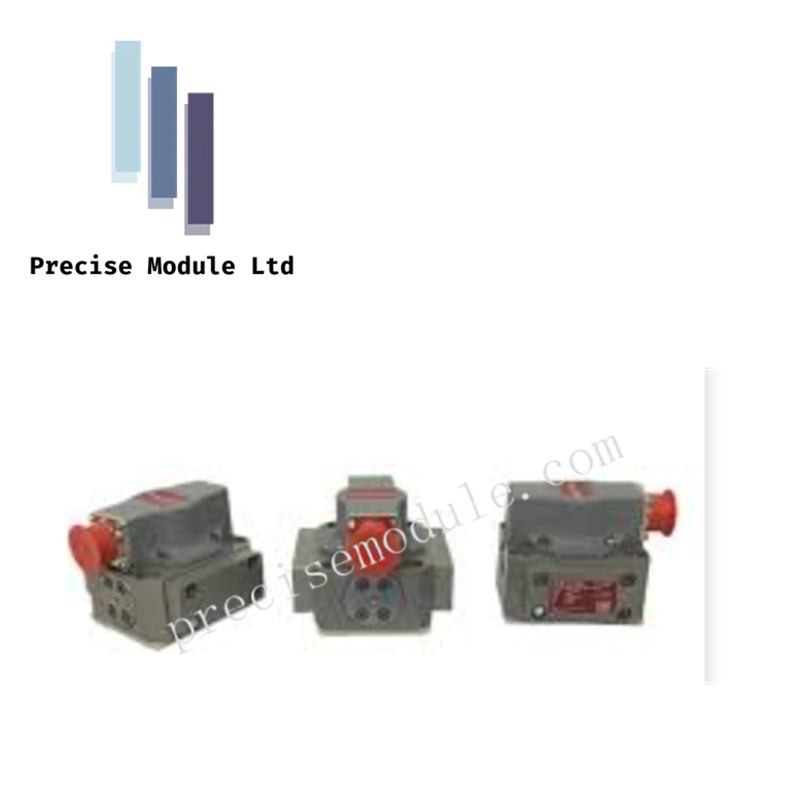
MOOG J761-003A Electrohydraulic Servo Valve
MOOG J761-003A Electrohydraulic Servo Valve
Manufacturer: MOOG
-
Product No.: J761-003A
Condition:in Stock
Product Type: Electrohydraulic Servo Valve
-
Product Origin: Switzerland
Payment:T/T, Western Union
-
Weight: 1600g
Shipping port: Shanghai/Yiwu/Shenzhen
Warranty: 12 months
Share
Technical Overview
The J761-003A is a high-performance, two-stage electrohydraulic servo valve (EHSV) from MOOG’s renowned 761 series. This pilot-operated 4-way valve is engineered to transform low-power electrical analog signals into precise, high-response hydraulic flow. Utilizing a frictionless nozzle-flapper pilot stage, the J761-003A offers exceptional dynamic characteristics and low hysteresis, making it a critical component for closed-loop control systems. It is extensively utilized in applications demanding rapid positioning and high-frequency force modulation, such as flight simulators, industrial die-casting machinery, and high-speed injection molding equipment.
Detailed Technical Specifications
The following parameters define the operational envelope and interface requirements for the J761-003A:
-
Manufacturer: MOOG Controls
-
Model Number: J761-003A (761 Series)
-
Valve Architecture: 2-stage, 4-way Throttle Valve
-
Flow Capacity: 7.6 L/min (2.0 GPM) @ 35 bar (500 psi) valve drop
-
System Pressure: Operational up to 315 bar (4568 psi)
-
Frequency Response: 150 Hz at -3 dB (90° phase shift)
-
Control Signal: ±10 mA Analog Current (Differential)
-
Supply Voltage: ±15 VDC (Standard for associated servo amplifiers)
-
Electrical Interface: 6-pin MIL-C-5015 connector (Style MS3102E14S-2S)
-
Mounting Pattern: ISO 10372 Size 04 (Subplate mounting)
-
Fluid Cleanliness: 10 μm absolute filtration required (ISO 4406 14/11 or better)
-
Seal Material: Viton (FPM) as standard for compatibility with mineral oils
-
Unit Weight: Approximately 1.6 kg (3.5 lbs)
Internal Dynamics and Control Logic
The J761-003A operates on a mechanical feedback principle. When an electrical current is applied to the torque motor coils, it creates a magnetic force that deflects the flapper between two nozzles. This deflection creates a pressure differential across the ends of the main spool, causing it to shift. As the spool moves, a feedback wire attached to the flapper creates a restoring torque, centering the flapper when the spool reaches the position proportional to the input signal. This "force-balance" logic ensures that the hydraulic flow output is a linear and highly repeatable reflection of the electrical command.
Hot Tags :


- Choosing a selection results in a full page refresh.
- Opens in a new window.